
Understanding gambling addiction A guide to awareness and recovery
What is Gambling Addiction?
Gambling addiction, also known as compulsive gambling, is a behavioral disorder characterized by an uncontrollable urge to gamble despite the negative consequences it may bring. This addiction often leads individuals to engage in gambling activities for prolonged periods, often at the expense of personal relationships, work, and financial stability. The thrill of placing bets can create an exhilarating rush that compels individuals to continue gambling, even when they face significant losses. For those interested in the gaming scene, exploring online pokies nz can be a way to engage in this entertainment responsibly.
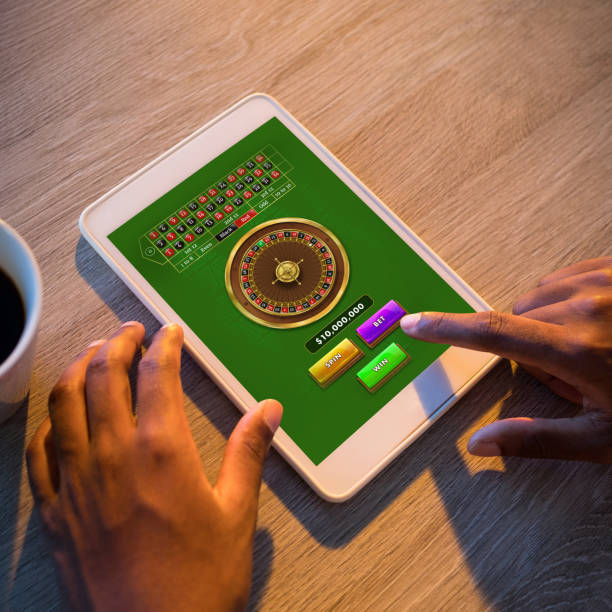
One of the critical aspects of understanding gambling addiction is recognizing its symptoms. Common signs include an overwhelming preoccupation with gambling, the need to gamble with increasing amounts of money, and unsuccessful attempts to stop. Furthermore, individuals may experience emotional distress when trying to cut back or quit, often resorting to deception to conceal their gambling habits from friends and family. This secrecy can further isolate them, compounding the issue.
Gambling addiction does not discriminate; it affects people from all walks of life, regardless of age, gender, or socio-economic background. Factors such as genetics, mental health conditions, and environmental influences can contribute to the risk of developing this addiction. Understanding the psychological underpinnings and the context in which gambling occurs is essential for fostering awareness and promoting effective recovery methods.
The Impact of Gambling Addiction
The consequences of gambling addiction can be devastating, impacting not just the individual but also their families and communities. Financial difficulties are often the most visible outcome, as individuals may accumulate debts, withdraw savings, or even resort to illegal activities to fund their gambling habits. This financial strain can lead to bankruptcy, foreclosure, and a host of other financial emergencies, creating a ripple effect that impacts family members and friends.
Emotionally, gambling addiction can lead to severe mental health issues such as anxiety, depression, and even suicidal ideation. The shame and guilt associated with gambling losses may drive individuals to further isolate themselves, making it challenging to seek help. Relationships often suffer as trust erodes, leading to conflicts with partners, children, and friends. The social ramifications of gambling addiction extend beyond the individual, affecting community dynamics and support systems.
Moreover, gambling addiction can also affect professional life. Employees struggling with this addiction may experience decreased productivity, increased absenteeism, and a decline in job performance. The potential for workplace conflicts, theft, or fraud to fund gambling can also pose significant risks to employers. Thus, understanding the broader impacts of gambling addiction is crucial for fostering empathy and encouraging supportive recovery environments.
Acknowledging the Signs and Seeking Help
Recognizing the signs of gambling addiction is the first step toward recovery. Individuals must be aware of their gambling habits and how these behaviors affect various aspects of their lives. Encouragement from family and friends to discuss gambling patterns openly can facilitate an important dialogue that leads to seeking professional help. Many resources are available, including counseling and support groups that specialize in gambling addiction recovery.
Professional treatment often involves a combination of therapy, support groups, and sometimes medication to help manage underlying mental health issues. Cognitive-behavioral therapy (CBT) has proven effective in addressing the thought patterns associated with compulsive gambling. Through therapy, individuals can learn coping strategies and healthier ways to deal with stressors that may trigger the desire to gamble.
Additionally, self-help techniques can also play a vital role in recovery. Creating a personal action plan, identifying triggers, and developing alternative hobbies are all constructive steps individuals can take. Joining support groups such as Gamblers Anonymous allows individuals to connect with others who share similar experiences, providing a sense of community and understanding that is often crucial for lasting recovery.
The Role of Family and Friends in Recovery
Family and friends can play an instrumental role in the recovery journey for individuals struggling with gambling addiction. Open lines of communication are essential; loved ones should approach the topic with empathy, expressing concerns without judgment. Supportive conversations can help individuals feel safe discussing their challenges, making it more likely they will seek help and adhere to treatment plans.
In many cases, family members can benefit from their own support networks, such as counseling or support groups for loved ones of addicts. These resources provide insights into dealing with the complexities of addiction, teaching family members how to set healthy boundaries while still offering support. Understanding that recovery is a process can help family and friends remain patient and empathetic throughout the journey.
Moreover, family involvement in therapy can be beneficial, fostering a sense of unity in confronting the addiction. Family therapy sessions can help address underlying issues that may have contributed to the gambling behavior while reinforcing the importance of a supportive environment in recovery. This collective approach not only aids the individual but also strengthens familial bonds.

About Our Website
Our website serves as a comprehensive resource for individuals seeking information and support regarding gambling addiction. We are dedicated to promoting awareness and understanding of the complexities surrounding this issue, providing valuable insights and resources for those affected. By offering educational materials, expert advice, and community support, we empower individuals to make informed choices in their recovery journey.
Through our platform, users can access a wealth of information about gambling addiction, including treatment options, personal stories of recovery, and advice on how to support loved ones struggling with compulsive gambling. We believe that by fostering a knowledgeable community, we can help break down the stigma associated with gambling addiction, encouraging open discussions and encouraging recovery.